

Are Heavy-Duty Shower Bases a Thing of the Past?
You hear “heavy-duty shower base” and picture a clunky, industrial monster from a 1970s institution—thick, ugly, and built like a tank. That image doesn’t fit the sleek, minimalist bathroom you’re designing.
No, they have evolved. While old heavy-duty bases meant extreme weight, today’s heavy-duty means engineered strength. Modern SMC composite bases offer superior durability and impact resistance in a lightweight, stylish form, making them more relevant than ever for high-quality projects.
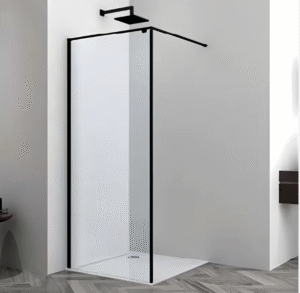
I’ve been in this industry long enough to remember when “heavy-duty” just meant “heavy.” I’ve helped haul cast iron tubs and terrazzo bases that felt like they weighed a ton, because they almost did. They were strong, but they were also design nightmares. Today, when I walk through my factory and see a solid SMC base, I see the evolution. We now engineer strength at a molecular level instead of just relying on brute mass. For a designer like you, Jacky, understanding this shift is crucial. You can now specify true heavy-duty performance without ever sacrificing your design aesthetic.
What Made Old Shower Bases ‘Heavy-Duty’?
You know those old, incredibly deep shower bases you see in basements or old commercial buildings? They feel indestructible, but they also look dated and are impossible to move. What was the thinking behind them?
Old shower bases were “heavy-duty” because they were made from extremely dense and heavy materials like cast iron or terrazzo. Their strength and durability came from sheer bulk and mass, not from advanced material science.
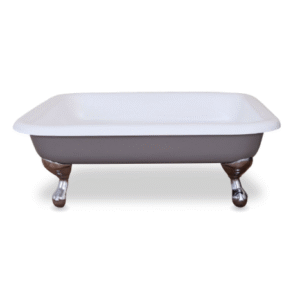
In the past, the only way to make something strong was to make it thick and heavy. Cast iron was a prime example. You pour molten iron into a sand mold, and you get an incredibly rigid product. Then, you coat it in a thick layer of porcelain enamel for a water-resistant finish. Terrazzo bases used a similar philosophy: a mixture of cement and marble chips, ground and polished into a heavy slab. They were indeed tough. You could drop a hammer on one and it might chip the enamel, but you weren’t likely to crack the base itself. The trade-off was immense. They required multiple people to install, often needed reinforced flooring, were freezing cold to the touch, and offered almost zero design flexibility. They were a product of their time, when function came with a huge penalty in form and logistics.
Old vs. New Heavy-Duty
|
Feature
|
Old Heavy-Duty (Cast Iron)
|
Modern Heavy-Duty (SMC)
|
|---|---|---|
| Core Material |
Molten iron with enamel coating.
|
Fiber-reinforced polymer composite.
|
| Weight |
Extremely heavy (150-300 lbs).
|
Manageable weight (50-80 lbs).
|
| Installation |
Requires 2-3 people, floor support.
|
Can be installed by one person.
|
| Feel |
Ice-cold, hard, and slippery.
|
Warm to the touch, solid, textured grip.
|
| Impact Resistance |
Good, but enamel chips easily.
|
Excellent, solid color hides scratches.
|
How Is a Modern Shower Base Heavy-Duty Without Being Heavy?
You need a base that can withstand the daily abuse of a busy family or a high-traffic hotel, but you can’t specify a product that weighs 200 pounds and looks like a bunker. How is that possible?
Modern strength comes from engineered composites like SMC. Its heavy-duty nature is due to a solid, high-density, fiber-reinforced structure—forged under pressure—that provides incredible rigidity and impact resistance without the massive weight of cast iron.

The magic is in the material science. SMC, or Sheet Molding Compound, isn’t just plastic. It’s a high-tech “dough” made of polyester resin, mineral fillers, and long strands of chopped glass fibers. We place this material into a massive steel mold and compress it under thousands of tons of pressure and high heat. This process forces the material into every corner of the mold and cross-links the polymer chains, creating an incredibly dense, solid, and void-free part. This is engineered strength, not brute-force weight. It has a rock-solid feel underfoot because it is a solid block of composite, not a hollow shell like acrylic. It resists impacts from dropped shampoo bottles because the internal fiber structure dissipates the force. It achieves superior performance through smarter engineering, making the old, heavy methods obsolete.
Why Does a Modern Heavy-Duty Base Matter for High-End Design?
Your design is for a luxury hotel or an upscale residential project. The client expects everything to look and feel premium for years to come. Why is choosing a modern heavy-duty base critical to your reputation?
It matters because it protects the long-term value and integrity of your design. A modern heavy-duty SMC base provides the “perceived quality” of a solid stone floor while guaranteeing long-term durability, preventing failures and ensuring client satisfaction.
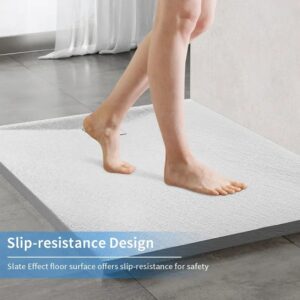
For a high-end project, quality is felt as much as it is seen. When a user steps into the shower, a flimsy, creaking acrylic base instantly cheapens the entire experience, regardless of how expensive the tiles or fixtures are. A solid SMC base provides immediate, reassuring feedback. It feels like stone. This perceived quality is huge. Beyond that, it’s about performance over time. In a hotel, a shower base will see thousands of users. It must resist scratches, impacts, and harsh cleaning chemicals without degrading. A standard residential-grade base will fail, leading to costly replacements and damaging the hotel’s brand and your reputation as a designer. Specifying a heavy-duty SMC base is a ‘specify and forget’ decision. It’s an insurance policy that ensures your beautiful design remains a durable, functional reality for years.
Heavy-Duty Application Benefits
|
Application
|
Key Benefit of Modern Heavy-Duty (SMC)
|
|---|---|
| Luxury Homes |
Provides a rock-solid, premium feel that matches high-end finishes.
|
| Hotels/Hospitality |
Withstands constant use, impacts, and aggressive cleaning schedules.
|
| Gyms/Spas |
Offers extreme durability and anti-slip textures for user safety.
|
| Accessible Bathrooms |
Creates a strong, stable foundation for users with mobility needs.
|
Conclusion
“Heavy-duty” is no longer a thing of the past; it has been reinvented. Modern SMC bases provide the ultimate strength and durability for any project without the weight and design compromises of old.