

How Do You Determine the Right Shower Base Size?
Choosing the wrong shower base size can derail an entire bathroom project. A base that’s too small feels cramped, while one that’s too large wastes valuable space.
To determine the right size, you must balance three factors: the bathroom’s available layout, the user’s need for comfort, and legal accessibility requirements like the ADA. This involves choosing a standard size or opting for a custom solution for unique spaces.
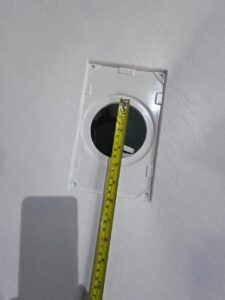
Selecting a shower base size isn’t just about picking numbers from a catalog. It’s a strategic decision that affects plumbing, usability, and the overall feel of the room. I’ve seen projects delayed for weeks because a designer specified a base that didn’t account for a single, crucial measurement. In my years of manufacturing molds and finished products, I’ve learned the questions you need to ask to get it right every single time. Let’s walk through them.
What Are the Standard Shower Base Sizes?
Are you feeling overwhelmed by the endless options for shower bases? Starting with standard sizes can simplify your choices and often leads to a more cost-effective solution.
Standard sizes are typically square (like 36×36 inches) for smaller rooms, rectangular (like 60×32 inches) for tub replacements, and neo-angle for corner installations. These sizes are popular because they align with common construction practices and plumbing layouts.
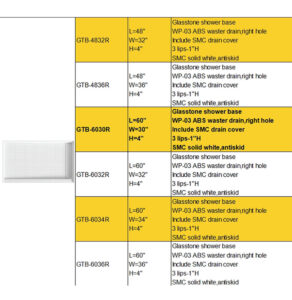
When I started my CNC trading company, we received countless inquiries for molds based on these common dimensions. The reason they are “standard” is simple economics. They are designed to fit typical wood-frame construction, where joists and studs are placed at predictable intervals. Specifying a standard size means easier installation and lower costs for your client. For a designer like you, Jacky, knowing these benchmarks is the first step in any bathroom layout plan.
Common Configurations and Their Applications
The shape and size you choose often depend on the bathroom’s purpose and existing footprint. Here is a breakdown of the most common options I see in production:
| Shape | Common Sizes (Inches) | Best For |
|---|---|---|
| Square | 32×32, 36×36, 42×42 | Small bathrooms, guest baths, or minimalist designs. |
| Rectangle | 60×30, 60×32, 48×36 | Replacing a standard bathtub, master bathrooms. |
| Neo-Angle | 36×36, 38×38, 42×42 | Corner installations to maximize space in small rooms. |
Square bases are the workhorses for efficient layouts. Rectangular bases, especially the 60×30 and 60×32 inch models, are incredibly popular for renovations. They are specifically sized to drop right into the alcove where a standard bathtub used to be, which dramatically simplifies the plumbing and framing work. Neo-angle bases are clever space-savers. By clipping the corner, they open up floor space in tight bathrooms, making the room feel larger. Understanding these basics will help you quickly narrow down the options for about 80% of your projects.
Can You Get a Shower Base for an Awkward Space?
Stuck with a bathroom that has weird angles or a support column in the way? A standard-sized base just won’t work, leaving you with an impossible design challenge.
Yes, you can. Materials like SMC (Sheet Molding Compound) allow for two types of custom solutions: fully custom molding for large projects, or standard trays that can be easily cut on-site to fit perfectly around any obstruction.

This is where modern materials really shine. Early in my career, fitting a shower into an old building with irregular walls was a nightmare. It required building a complex, leak-prone tile pan by hand. Today, the solutions are far more elegant and reliable. I’ve helped countless clients solve these exact problems using the flexibility of SMC.
Two Paths to a Perfect Fit
For a professional designer, having multiple ways to solve a problem is key. With SMC, you have two powerful options.
1. Factory Customization via Precision Molds
If you’re working on a large project like a hotel or apartment complex with a repeating unique layout, we can create a fully custom mold. Using your CAD files, we can machine a steel mold that produces a shower base to your exact specifications. This could include:
- Notches for pillars or pipes.
- Custom angles to match a specific wall.
- Integrated seats or shelves built right into the base.
While the initial mold is a significant investment, the per-unit cost of the bases becomes very low for high-volume production, ensuring consistency across hundreds of units.
2. On-Site Modification
This is the game-changing solution for single renovations or small projects. An SMC shower base can be trimmed on-site using a standard power saw with a diamond blade. Because the material is a composite with color and strength all the way through, cutting it doesn’t compromise its integrity. I once worked with a client converting an old factory into luxury lofts. They had massive concrete support pillars right where some showers needed to go. The installers simply took a standard rectangular SMC tray, marked their cut lines, and trimmed out a perfect notch. The tray fit snugly around the pillar, and the result was clean, waterproof, and professional. You simply can’t do that with ceramic or acrylic.
What Other Size Details Matter Besides Length and Width?
You’ve chosen the length and width, but the base still doesn’t fit the plumbing. Focusing only on the footprint ignores other critical dimensions that can force costly rework.
Beyond the basic footprint, the most critical size-related details are the drain location, the threshold height, and the type of integrated tile flange. Getting these right is essential for a smooth, leak-proof installation.
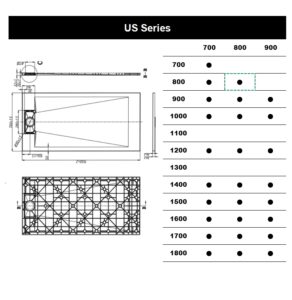
As a mold maker, I live in a world of fine tolerances. A millimeter here or there can be the difference between a perfect part and a piece of scrap. For shower bases, these “minor” dimensional details have a major impact on the final installation and user experience. Overlooking them is a common mistake that I see even experienced designers make.
Critical Secondary Dimensions
Let’s break down the three details you must specify.
1. Drain Location
The drain hole’s position is not universal. It must align with the existing plumbing or the planned plumbing layout to avoid expensive rerouting of pipes under the floor. The main options are:
- Center Drain: The traditional choice, common on square and larger rectangular bases.
- End Drain (Left or Right): This is perfect for tub-to-shower conversions, as the drain placement often aligns with the old bathtub’s drain.
- Offset Drain: Placed off-center along the back wall, sometimes used to avoid floor joists.
Always confirm the joist locations and existing P-trap position before specifying the drain.
2. Threshold Height
The threshold is the front edge of the base that you step over. Its height affects both aesthetics and accessibility.
- Standard Threshold: Typically 2.5 to 4 inches high. Provides excellent water containment.
- Low-Profile Threshold: Around 1 to 1.5 inches high. Offers a modern, sleek look and is easier to step over.
- Barrier-Free / Curbless: Less than 1/2 inch high, creating a seamless transition from the bathroom floor into the shower. This is essential for ADA compliance and universal design. SMC is ideal for these designs because its rigidity allows for a very thin edge without sacrificing strength.
3. Integrated Tile Flanges
A tile flange is a raised lip around the edges of the base that sit against the wall studs. The waterproof backer board overlaps the flange, creating a channel that directs any water that gets behind the tiles back into the shower. A high-quality SMC base has these flanges molded directly into the part, ensuring a completely seamless and waterproof barrier. Cheaper bases may require separate, glued-on flange kits, which introduce a potential point of failure.
How Do ADA Rules Affect Shower Base Size?
Are you designing a bathroom for a public space or for a client who needs accessibility? Ignoring ADA (Americans with Disabilities Act) guidelines can result in a failed inspection and legal trouble.
ADA guidelines dictate strict minimum sizes and features. The two main types are transfer showers (minimum 36×36 inches with a seat) and roll-in showers (minimum 30×60 inches with a half-inch max threshold).
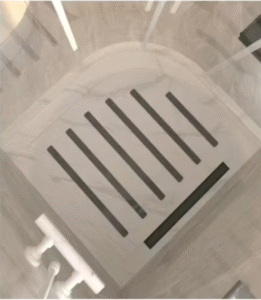
Compliance is not optional in commercial and public projects. It is a legal requirement that ensures safety and usability for people with mobility challenges. As a designer, being fluent in these requirements is part of your professional responsibility. I’ve worked on many projects for hospitals, hotels, and public facilities where meeting these standards was the number one priority. SMC is a preferred material for these applications because we can mold in all the required features with precision.
Key ADA Shower Stall Requirements
The ADA outlines two primary types of accessible shower stalls.
1. Transfer Showers
These are designed for individuals who can transfer from a wheelchair to a shower seat.
- Minimum Size: The interior dimensions must be at least 36 x 36 inches.
- Features: Must include a fold-down or built-in seat on the wall opposite the controls, along with grab bars.
2. Roll-In Showers
These are larger and allow a user to enter the shower in a wheelchair.
- Minimum Size: The standard roll-in type must have interior dimensions of at least 30 x 60 inches.
- Threshold: This is the most critical feature. The threshold cannot be more than 1/2 inch high to allow for easy wheelchair access. This is where barrier-free SMC bases excel.
Here is a summary table for easy reference:
| Requirement | Transfer Shower | Roll-In Shower |
|---|---|---|
| Minimum Interior Size | 36″ x 36″ | 30″ x 60″ |
| Threshold Height | Not explicitly limited, but low is better | Max 1/2 inch |
| Seat | Required (built-in or folding) | Optional, but can be included |
| Grab Bars | Required on multiple walls | Required on multiple walls |
When specifying an ADA-compliant base, always look for products that are explicitly certified as such. And remember, local building codes can sometimes add to or modify these federal requirements, so always double-check the rules for your specific project location.
Conclusion
Choosing the right size involves looking at standards, custom options, technical details, and legal compliance. A thoughtful approach ensures a perfect fit for every bathroom project you design.