

Shower Tray, Shower base and Shower Pan: What’s the Real Difference?
Have you ever heard about “shower tray “,“shower base ” and “shower pan ” from a same person or from different person? And feeling confused about it ? What are they ? Are they a same staff or different ? Well, let me introduce for you:
These names often refer to the same thing: the floor of a prefabricated shower. The main difference is regional. “Shower Tray” is the standard term in Europe, while “Shower Base” and “Shower Pan” are dominant in North America.
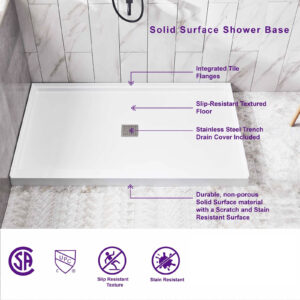
In my global trading business, I’ve seen simple language differences cause huge problems. I once had a client in Florida who was looking for a high-end, stone-resin shower tray for a luxury condo project. He sent a request for quotes to several US plumbing suppliers asking for “shower trays.” A few of them quoted him for cafeteria-style food trays because they had never heard the term used for a bathroom product. It sounds funny, but it wasted a week of his time. Understanding these subtle differences is not just about words; it’s about speaking the language of your specific market to get things done right.
Is It a Shower Tray in Europe and a Shower Pan in America?
Are you specifying products for an international project and worried about miscommunication? Using a European term in the American market can create confusion and make it harder to find what you need.
Yes, that’s the biggest difference. “Shower Tray” is the common term in the UK and across Europe. In the USA and Canada, “Shower Base” is the most professional term, while “Shower Pan” is also very common, especially among plumbers.

As someone who manufactures and ships these products globally, this is the most important distinction to understand. The terminology is tied directly to the market you’re working in. If you walk into a supplier in London and ask for a “shower base,” they’ll know what you mean, but they will likely call it a “tray” in their catalog. If you do the reverse in Chicago, you might cause confusion. As a designer like you, Jacky, using the local term makes you sound more credible and ensures a smoother process. It shows you understand the local industry.
A Quick Regional Guide
This simple breakdown can save you a lot of headaches when sourcing products or talking with contractors.
| Term | Primary Region | Common Users | General Vibe |
|---|---|---|---|
| Shower Tray | Europe, UK, Australia | Everyone (designers, builders, public) | Standard, universal term |
| Shower Base | North America (USA/CAN) | Designers, architects, manufacturers, brands | Modern, architectural, formal |
| Shower Pan | North America (USA/CAN) | Plumbers, contractors, some homeowners | Traditional, functional, trade term |
The term “shower pan” in North America has deep roots. Historically, custom-tiled showers were built with a literal pan or liner made of lead, copper, or PVC plastic underneath the tile and mortar bed. Plumbers were responsible for installing this “pan,” so the name stuck, even for one-piece units. “Shower base” is a more modern term that reflects the product’s role as the solid foundation for the entire shower stall.
Does the Name Change Based on the Material or Function?
Do you assume “pan,” “base,” and “tray” are perfectly interchangeable? Specifying a “pan” might make a supplier think of a cheap fiberglass unit when you want a high-end composite “base.”
Sometimes, yes. While often used interchangeably, there can be subtle differences in meaning. “Pan” can imply older materials like acrylic or the waterproof liner itself. “Base” often refers to modern, solid composite units, and “Receptor” is a technical term used in manufacturing.
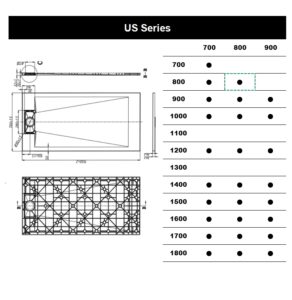
This is where things get a bit more technical, which is something I love about the molding industry. The words we use often carry a hidden story about the product’s material and construction. While a supplier will probably understand you either way, using a more precise term can help clarify the quality and type of product you are looking for. It helps manage expectations from the very first conversation.
The Story Behind the Name
- The “Pan” Connotation: As I mentioned, this term is linked to the historical function of a “pan” to catch water. Because the first one-piece units were simple, thermoformed acrylic or fiberglass, the name “pan” became associated with these lighter, sometimes more flexible, and often more budget-friendly options.
- The “Base” Foundation: The word “base” feels more substantial. It suggests something is being built upon it. This term aligns perfectly with modern, solid-core materials like the SMC (Sheet Molding Compound) we specialize in. These products are heavy, rigid, and stone-like, forming a true foundation for a premium shower.
- The Technical “Receptor”: You might see this term, Jacky, on technical data sheets or in catalogs from European manufacturers. “Shower Receptor” is an engineering term. It describes the component’s function: it “receives” water. It is a very precise, technical term, but you would rarely use it when speaking to a client or a contractor. It’s good to know for interpreting specifications.
Why Does Using the Right Term Matter for Your Project?
Do you think getting the name right is just a minor detail? A simple communication error can lead to ordering the wrong part, getting incorrect quotes, and creating delays that throw your entire project schedule off track.
Using the right term is critical for clear communication, accurate sourcing, and professional credibility. It ensures suppliers understand exactly what you need, quotes are for the correct product, and costly mistakes are avoided from the start.

At the end of the day, our job is to turn a design into a real, physical thing. The bridge between the design and the final product is communication. I built my entire trading business on this principle. You can have the best design in the world, but if you can’t communicate your needs clearly to the people who will make or supply the parts, the project will fail. This is especially true when dealing with different regions or quality levels.
Key Reasons for Precision
- Ensuring Accurate Sourcing: Imagine you need a high-end, slate-textured SMC shower base for a luxury bathroom in Toronto. If you send out a request for a “shower pan,” some suppliers might quote you on a basic, glossy white acrylic unit because that’s what “pan” means to them. This wastes everyone’s time. Using the term “shower base” and specifying the material immediately clarifies the quality you need.
- Preventing Ordering Errors: This is the most costly mistake. Ordering the wrong product not only wastes money but also causes huge delays. You have to handle the return, wait for the correct item, and reschedule the plumber and installer. For a project with tight deadlines, this can be a disaster.
- Building Professional Credibility: When you speak the language of the local trade, you build instant trust. When you talk to a plumber in the US about a “shower pan” or to an architect about a “shower base,” it shows you know the market. This confidence makes for smoother collaboration and better project outcomes.
Conclusion
While “tray,” “base,” and “pan” often describe the same product, they have important regional and technical meanings. Knowing the difference ensures you communicate clearly, source accurately, and maintain professionalism.