

SMC vs Stone Resin Shower Tray: Which is Best?
Are you struggling to choose a shower tray? Many people face this problem. You want something strong and lasting. Picking the right material makes a big difference.
SMC (Sheet Molding Compound) shower trays offer a lightweight, durable, and cost-effective alternative to stone resin. They are easy to install and maintain, providing excellent resistance to impacts and chemicals. Stone resin trays are known for their traditional look and solid feel, but they are heavier and can be more expensive.
When you are thinking about a new bathroom, the shower tray might seem like a small detail. Actually, it is a very important choice. The tray supports your entire shower enclosure. It needs to stand up to daily use. It must handle water and cleaning products. Let’s look closely at two popular types: SMC and stone resin.
What is SMC and How Does It Work?
Many homeowners feel confused about new materials. What exactly is SMC? Is it really a good option for my bathroom? I understand these concerns.
SMC stands for Sheet Molding Compound. It is a composite material made from polyester resin, fiberglass, and fillers. Manufacturers cure SMC under high heat and pressure in a mold. This process creates strong, lightweight, and precise shower trays with a consistent finish.
SMC is not a new material. People have used it for many years in cars, boats, and building parts. The material has great strength-to-weight properties. This means it is very strong but not heavy. For shower trays, this is a big benefit. A lighter tray is easier to move. It is also easier to install. My experience in the mold industry taught me about material science. SMC technology allows for complex shapes. It also allows for smooth surfaces. The trays come out of the mold in one piece. This means fewer joints where leaks can happen. This design also helps with hygiene. The surface is non-porous. It resists mold and mildew growth. This makes cleaning simpler. Also, SMC trays resist impacts well. If you drop something, it is less likely to crack. This durability is key for a long-lasting shower.
| Feature | SMC Shower Tray |
|---|---|
| Material | Polyester resin, fiberglass, fillers |
| Manufacturing | Compression molding, high heat and pressure |
| Weight | Lightweight, easy to handle |
| Durability | High impact resistance, less prone to chipping/cracking |
| Surface Finish | Smooth, non-porous, easy to clean, slip-resistant options |
| Installation | Simpler due to lighter weight, can be fitted by one person |
| Cost | Generally more cost-effective |
| Design Flexibility | Allows for precise, complex shapes and slim profiles |
Are Stone Resin Shower Trays Still a Good Choice?
Many people know stone resin trays. They have been around for a long time. Are they still a good option for modern bathrooms? I hear this question often.
Stone resin shower trays are made from a mix of natural stone fillers, usually marble or dolomite, and a resin binder. They are known for their solid, heavy feel and traditional appearance. While durable, their weight can make installation more difficult and they typically cost more than SMC options.

Stone resin trays have a reputation for quality. They feel very solid underfoot. This solid feel comes from their weight. The weight can be a problem. Carrying a heavy stone resin tray needs more than one person. Installing it needs more effort. In my early days in the mold factory, I saw many different materials. Stone resin was popular for its look. It often comes with a gel coat finish. This finish can be shiny. However, the gel coat can chip or scratch over time. If the gel coat breaks, the porous stone material beneath can show. This can absorb water or get stained. Repairing these chips can be tricky. Some stone resin trays also need specific waste traps. This adds to the cost and complexity. While they offer a premium feel, the practicalities of installation and long-term maintenance need careful thought.
| Feature | Stone Resin Shower Tray |
|---|---|
| Material | Natural stone fillers (e.g., marble), resin binder |
| Manufacturing | Pouring mixture into mold, then curing |
| Weight | Heavy, often requires two people for handling |
| Durability | Good structural integrity, but gel coat can chip |
| Surface Finish | Often gel-coated, can be smooth or textured, can scratch |
| Installation | More challenging due to weight |
| Cost | Generally higher cost |
| Design Flexibility | Good for standard shapes, less common for ultra-slim designs |
Which Type of Shower Tray is Easier to Install?
Installation is a big factor for many customers. No one wants a complicated job. Is there a clear winner for ease of fitting? I always look for practical solutions.
SMC shower trays are significantly easier to install because of their lightweight construction. One person can often handle and position an SMC tray, reducing labor time and cost. Stone resin trays are much heavier, typically requiring two people to lift and maneuver, making their installation more demanding.

Think about a standard bathroom remodel. Time is money. A lightweight SMC tray means a quicker install. This saves money on labor. It also means less strain for the installer. When I was starting my trading company, I saw how much product weight affected logistics. A lighter product is always a benefit. SMC trays are also often designed for simple waste connections. This further speeds up the process. Stone resin trays, by contrast, are heavy. This weight helps them feel sturdy. But it makes them a real challenge to move. You need to be careful not to damage walls or floors. You need two strong people to get it into place. This extra effort adds time to the job. It can also increase the cost of fitting. For a seamless project, the ease of installation offered by SMC is a major plus. It simplifies the entire process from delivery to final use.
Is One Type of Shower Tray More Durable Than the Other?
Durability is crucial for any bathroom fixture. We want our shower trays to last years. Which material truly stands the test of time? This is a key question.
SMC shower trays offer excellent long-term durability, resisting impacts and common bathroom chemicals very well due to their composite structure. Stone resin trays are also durable, but their surface gel coat can be prone to chipping or scratching, potentially exposing the underlying material.

When I think about durability, I consider how a product will perform daily. SMC is made from fiberglass and resin. This combination gives it flexibility and strength. It does not easily crack from impacts. If you drop a shampoo bottle, an SMC tray is more likely to resist damage. It also handles temperature changes well. This prevents warping. The surface of an SMC tray is part of its core structure. It is not just a coating. This makes it very resilient. Stone resin trays are strong too. They resist bending. But their outer layer, the gel coat, is a different story. The gel coat can be harder. This makes it brittle. A hard knock can chip it. Once chipped, the internal stone material can be exposed. This makes it vulnerable to water. It can also get stained more easily. From a manufacturing view, SMC’s integrated structure often means better long-term performance. It means fewer worries for the homeowner.
How Do They Compare in Terms of Design and Aesthetics?
Looks matter a lot in a bathroom. Does one material offer better design choices? People want their bathroom to look good.
SMC shower trays offer greater design flexibility, allowing for slimmer profiles and various textures due to the precision of compression molding. Stone resin trays tend to have a more traditional, chunkier appearance, though modern versions can mimic sleeker designs, they are generally limited by their casting process.
Modern bathroom design often focuses on clean lines. It uses minimalist aesthetics. SMC is a great fit for this. The molding process allows for very thin trays. It also allows for sharp edges. This creates a contemporary look. Manufacturers can also add different surface textures. This can include slate or stone effects. They can add these textures directly into the mold. This makes them part of the tray. This ensures they last. Stone resin trays often come in standard shapes. They often have thicker profiles. This is because of how they are made. The material needs a certain thickness for strength. While you can find stone resin trays with textured finishes, these are often applied later. They may not be as integrated. For someone wanting a sleek, low-profile shower, SMC often provides more options. It allows for a wider range of styles. This helps match different bathroom themes.
Is Maintenance Different for SMC and Stone Resin Trays?
Nobody wants a difficult cleaning job. Does one type of tray need more work? Keeping a bathroom clean is important.
SMC shower trays are generally easier to maintain due to their non-porous and integrated surface, which resists mold and stains effectively. Stone resin trays, especially those with gel coats, can require more careful cleaning to prevent damage to the surface and avoid staining if the gel coat chips.
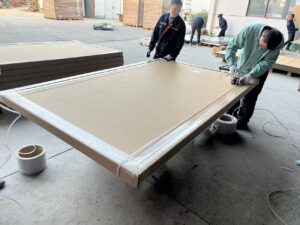
My experience tells me that low maintenance is a huge selling point. SMC trays have a smooth, non-porous surface. This means water beads off easily. Dirt and soap scum do not stick as much. Mold and mildew find it hard to grow. A quick wipe down with a mild cleaner is usually enough. This saves time and effort. You do not need harsh chemicals. This is good for the environment. It is also good for your health. Stone resin trays, with their gel coats, can be different. The gel coat is typically smooth. It is easy to clean at first. But if the gel coat gets scratched, those areas become porous. They can absorb water. They can hold dirt. This makes them harder to clean. Stains can set in. You also need to be careful with abrasive cleaners on gel coats. They can dull or damage the finish. For daily hassle-free cleaning, SMC usually has the advantage.
What About the Environmental Impact of Each Material?
People care more about the environment now. Does one material have a smaller footprint? This is a valid concern for many.
SMC manufacturing can be more energy-efficient than traditional stone resin processes because it is a closed-mold system, reducing waste. SMC trays are also lighter, leading to lower transportation emissions. Stone resin uses natural stone, but its heavier weight increases carbon footprint during shipping.

When I started MoldAll, I wanted to focus on smart manufacturing. SMC uses a closed molding process. This means less material waste during production. The process is also highly automated. This reduces energy consumption per unit. The lightweight nature of SMC also means less fuel is needed to transport them. This reduces carbon emissions. These are important points for sustainability. Stone resin trays use natural stone. This sounds good. However, mining and processing natural stone also has an environmental cost. The heavy weight of stone resin trays means more fuel is burned during shipping. This contributes to a larger carbon footprint. While both materials have trade-offs, the efficiency of SMC production and its lighter weight offer clear environmental benefits in terms of transport and manufacturing waste.
Conclusion
Choosing between SMC and stone resin shower trays depends on your priorities. SMC offers a modern, lightweight, and durable option. Stone resin provides a traditional, solid feel. SMC usually wins for ease of installation, cost-effectiveness, design flexibility, and lower maintenance.