

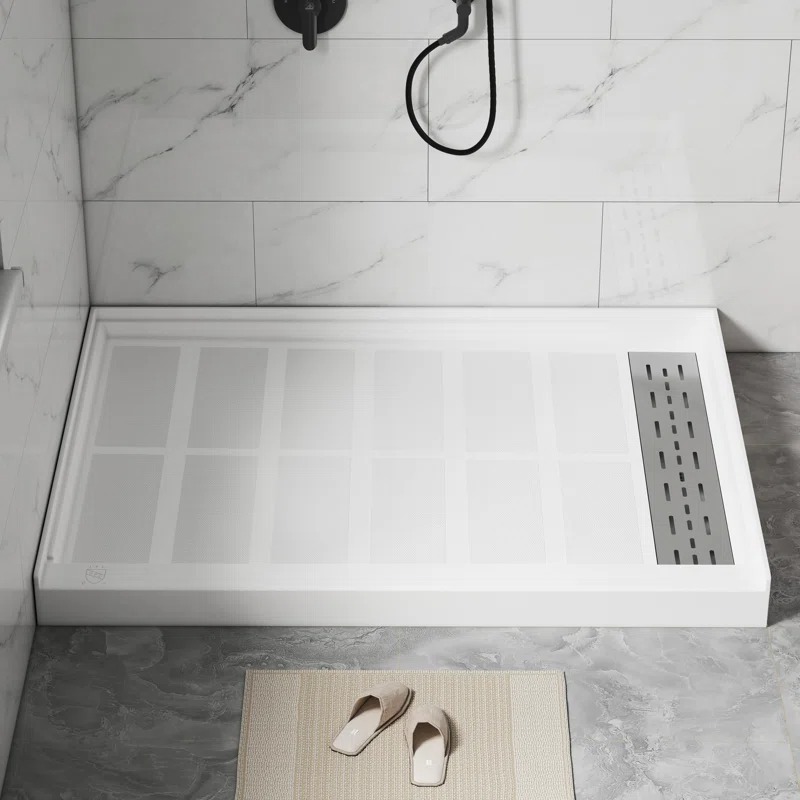
What Is an SMC Shower Base, and Should You Consider One for Your Bathroom?
Are you specifying materials for a new bathroom project and feeling overwhelmed by the options? Choosing the wrong shower base can lead to costly problems like cracks, leaks, and an unhappy client down the line.
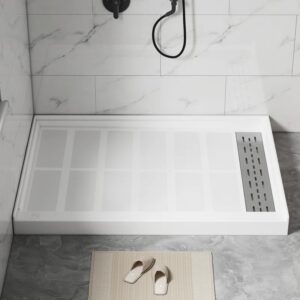
An SMC (Sheet Molding Compound) shower base is a modern composite fixture made from a mixture of resin, fiberglass, and mineral fillers. Valued for its high strength, durability, and lightweight properties, it offers a reliable and stylish alternative to traditional acrylic or tiled shower floors.**
As someone who has spent years in the mold manufacturing industry, I’ve seen firsthand how materials evolve. When I first encountered SMC, I was impressed by its unique combination of strength and design flexibility. It solves many of the common issues we see with other materials. Let’s explore what makes SMC a compelling choice for designers and homeowners alike.
SMC Stands for Sheet Molding Compound, but What Does That Actually Mean?
You hear technical acronyms all the time, but they don’t mean much without context. You might wonder if “SMC” is just another marketing buzzword or if there’s real substance behind it.
**Sheet Molding Compound (SMC) is a high-strength, ready-to-mold composite material. It consists of thermosetting resin, chopped fiberglass for reinforcement, and mineral fillers for stability. This mixture is formed into a sheet, which is then compression-molded under immense heat and pressure to create a dense, non-porous shower base.
From my perspective as a mold maker, the manufacturing process is what gives SMC its superior qualities. Unlike acrylic bases that are vacuum-formed from a simple plastic sheet, SMC is engineered for structural integrity from the inside out. The process starts by combining polyester resin, fiberglass strands, and calcium carbonate into a paste-like sheet. This sheet is then placed into a massive steel mold—like the ones my company designs—and compressed with hundreds of tons of force at high temperatures. This process cures the resin and forces the material into every detail of the mold, creating an incredibly strong, solid, and dimensionally stable part. This precision ensures every base has a perfect built-in slope for drainage and consistent quality that you just can’t get with hand-laid tiles.
What Are the Key Advantages of an SMC Shower Base?
When you’re designing a bathroom, you need materials that are not only beautiful but also practical and long-lasting. It’s frustrating to specify a product that looks great initially but fails to perform over time.
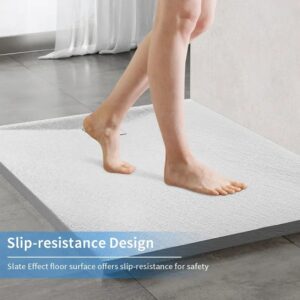
SMC shower bases offer significant advantages, including exceptional impact and scratch resistance, a lightweight yet solid structure for easier installation, a non-porous surface that resists mold and stains, and inherent non-slip properties for enhanced safety. These benefits make them a durable and low-maintenance choice.

In my experience, the practical benefits of SMC are what truly win over designers like Jacky. The material’s high density makes it feel solid and reassuring underfoot, unlike some acrylic bases that can feel flexible or hollow. This solid construction also provides excellent resistance to chipping and cracking from dropped items. Furthermore, because the color and material are consistent throughout the entire base, minor scratches don’t reveal a different color underneath and can often be buffed out. The non-porous surface is a huge selling point; it doesn’t absorb water, which means no staining and a much lower risk of mold and mildew growth compared to tile grout lines. This makes cleaning and long-term maintenance significantly easier for the end-user.
Material Comparison: SMC vs. Acrylic vs. Tiled
| Feature | SMC (Sheet Molding Compound) | Acrylic | Tiled Floor |
| :— | :— | :— | :— |
| **Durability** | High impact & scratch resistance | Prone to scratching & flexing | Can crack; grout is porous |
| **Weight** | Lightweight and solid | Very lightweight, can feel hollow | Very heavy |
| **Maintenance** | Non-porous, easy to clean | Can stain; requires specific cleaners | Grout requires regular sealing |
| **Safety** | Often has a built-in non-slip texture | Can be slippery when wet | Depends on tile choice and grout |
| **Installation** | Requires a level base; straightforward | Simpler install but can flex | Complex, labor-intensive |
Are There Any Limitations to Consider with SMC Shower Bases?
No material is perfect for every single application. While SMC has many strengths, it’s important to understand its specific requirements to avoid installation errors or long-term dissatisfaction.
The primary considerations for SMC shower bases are the need for a perfectly level and supportive subfloor to prevent stress fractures. Additionally, the surface can be damaged by abrasive cleaners, so proper maintenance protocols must be followed to preserve the finish and warranty.**
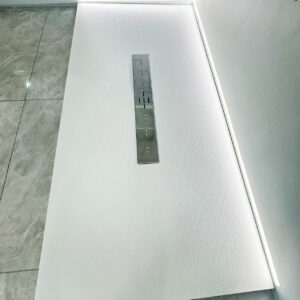
Based on my professional experience, installation is where things can go wrong if you’re not careful. SMC is rigid and strong, but that rigidity means it will not tolerate an uneven subfloor. Any voids or high spots underneath can create stress points that may lead to cracks over time. That’s why I always insist on using a cement-based adhesive on any floor that isn’t perfectly level to ensure the base is fully supported. The other key point is maintenance. I once had a client who used a scouring pad on their new SMC base, which permanently dulled the finish. The surface is tough, but it’s not invincible. You must use soft cloths and non-abrasive, mild detergents. As long as installers and homeowners follow these simple rules, an SMC base will perform beautifully for years.
Conclusion
SMC shower bases offer a robust, stylish, and low-maintenance solution for modern bathrooms. Their unique combination of strength, light weight, and non-porous properties makes them a superior choice for designers seeking both performance and aesthetic appeal.