

What’s Driving the Popularity of Shower Trays?
Tired of seeing beautiful bathroom designs ruined by leaky, moldy tiled showers? The slow, messy, and unreliable nature of traditional methods can lead to costly callbacks and unhappy clients.
Shower trays have become popular because they offer a guaranteed waterproof, fast-to-install, and highly hygienic solution. Modern materials like SMC provide superior design flexibility and long-term durability, making them a smarter choice than traditional tile.
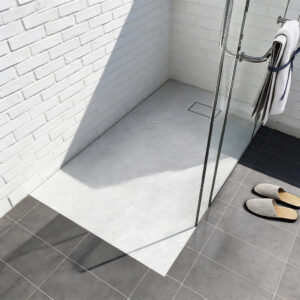
For decades, the custom-tiled shower floor was the standard for high-end bathrooms. As someone who has spent my entire career in the world of molding and manufacturing, I’ve watched a major shift happen. Shower trays have moved from a basic, functional item to a sophisticated, preferred solution for designers and builders alike. This isn’t just a trend; it’s a fundamental change driven by clear advantages in performance, cost, and aesthetics. Let’s break down exactly why this revolution is happening.
Do Shower Trays Offer Better Waterproofing Than Tile?
Worried about a single failed grout line causing thousands of dollars in water damage? The inherent risk of leaks in a tiled shower is a constant stress for any designer or builder.
Absolutely. A shower tray is a single, seamless, non-porous piece. It has no grout lines to crack or degrade, eliminating the primary point of failure found in tiled floors and providing a far more reliable waterproof barrier.
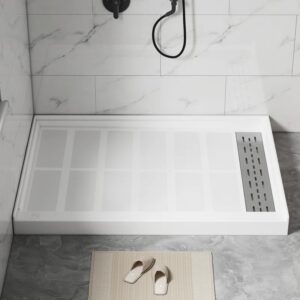
The number one job of a shower is to contain water. This sounds simple, but achieving it perfectly is complex. I remember visiting a luxury hotel development where my company was consulting on plastic components. The project manager told me their biggest nightmare was water damage. They had entire floors of rooms out of commission due to leaks from their “premium” tiled showers. This is where the simple brilliance of a shower tray becomes clear.
The Weakness of a Tiled System
A traditional tiled shower floor is not one thing; it’s a complex, multi-layered system built by hand. It consists of:
- A sloped mortar bed
- A waterproof membrane (like a PVC liner or liquid-applied membrane)
- Another layer of mortar or thin-set
- The tiles themselves
- The grout between the tiles
The weak link is always the grout. Grout is porous by nature. It requires sealing and maintenance. Over time, building settlement, temperature changes, and harsh cleaning chemicals can cause it to crack or degrade. Once water gets past the grout, it can saturate the mortar and eventually find a tiny imperfection in the membrane, leading to a slow, destructive leak.
The Integrity of a Single Piece
A shower tray, especially one made from a high-quality material like SMC, is the exact opposite. It is manufactured as one solid, monolithic piece.
- No Seams: There are no joints or grout lines within the showering area. There is nowhere for water to go but down the drain.
- Integrated Flanges: High-quality trays have tile flanges molded directly onto the sides. The wall backerboard overlaps this flange, creating a simple, foolproof channel that directs any water running down the walls back into the tray. It’s a beautifully engineered solution that removes the risk of human error.
Choosing a shower tray isn’t just selecting a product; it’s choosing a fundamentally more secure waterproofing strategy.
Can Shower Trays Really Save Time and Money on Installation?
Are tight project timelines and rising labor costs squeezing your budgets? A traditional tiled shower installation can take days, requiring expensive, specialized labor and holding up the entire project.
Yes, significantly. A shower tray can be installed in a few hours by a general plumber or contractor, while a properly built tiled shower takes multiple days and requires a highly skilled tiler, drastically reducing labor costs and project duration.
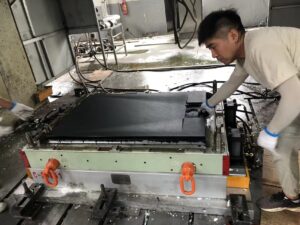
In my business, time is money. This is true whether you are manufacturing a part or building a house. The efficiency gains from using a shower tray are one of the biggest reasons for their surge in popularity, especially in commercial and large-scale residential projects. I’ve seen builders switch their entire process to trays simply because it allows them to complete units faster and move on to the next job.
Comparing Installation Workflows
For a designer like you, Jacky, understanding the construction process is key to creating practical designs. Let’s compare the steps side-by-side.
| Stage | Tiled Shower Installation (Approx. 2-4 days) | Shower Tray Installation (Approx. 2-3 hours) |
|---|---|---|
| 1. Preparation | Build a complex, sloped mortar preslope. | Ensure the subfloor is level and clean. |
| 2. Waterproofing | Install and test a waterproof membrane. | The tray itself is the waterproof layer. |
| 3. Setting | Lay a final mortar bed and set each tile. | Apply adhesive and set the single tray. |
| 4. Curing & Grouting | Wait 24 hours for tiles to set, then grout. | Connect the drain. |
| 5. Finalizing | Wait another 24-72 hours for grout to cure. | Ready for wall board and tiling immediately. |
As you can see, the difference is dramatic. The tiled process involves multiple stages with long waiting periods in between. This not only takes time but also introduces more opportunities for error. The shower tray installation is a simple, one-step process that can be completed in a morning. This efficiency translates directly into lower labor costs and a more predictable construction schedule for your client.
Are Modern Shower Trays More Hygienic and Stylish?
Does the thought of scrubbing dirty grout lines make you cringe? For many homeowners, the constant maintenance and potential for mold make tiled showers a source of frustration, compromising your clean design aesthetic.
Absolutely. Modern trays made from non-porous materials like SMC are incredibly hygienic and easy to clean. They also offer sleek, minimalist designs, including barrier-free options that are difficult and expensive to achieve with tile.

Design isn’t just about how something looks on day one; it’s also about how it functions and feels over years of use. This is where the material science behind modern shower trays provides a huge advantage. From a manufacturing perspective, we can now create surfaces and shapes that were simply not possible before.
The Advantage of a Non-Porous Surface
Grout’s porous structure is a perfect breeding ground for mold, mildew, and bacteria. It traps soap scum and dirt, quickly becoming discolored and requiring harsh chemicals and hard scrubbing to clean.
In contrast, a quality SMC shower tray is finished with a durable, non-porous gel coat.
- Effortless Cleaning: Dirt and bacteria have nowhere to hide. The surface can be wiped clean with a simple cloth and mild detergent.
- Stain Resistance: The gel coat is resistant to staining from hair dye, shampoos, and cleaning agents, so it looks new for years.
- Integrated Anti-Slip: The anti-slip texture is molded directly into the surface, so it won’t wear off over time, providing both safety and ease of cleaning.
Driving Modern Bathroom Aesthetics
Shower trays have become a key element in contemporary bathroom design.
- Minimalism : The single, unbroken surface of a tray creates a clean, minimalist look that is highly sought after.
- Low-Profile and Curbless : Advanced materials like SMC allow for very thin but strong profiles. This makes low-threshold and completely barrier-free (roll-in) showers possible. Achieving a truly curbless entry with tile is extremely difficult and requires recessing the floor structure, adding significant complexity and cost. With a tray, it’s a standard and reliable option.
- Color and Texture : We are no longer limited to white. SMC trays can be manufactured in a range of colors (like slate, grey, and black) and textures (like stone and sand) to match any design palette.
The modern shower tray empowers you, the designer, to create spaces that are not only beautiful and modern but also healthier and easier for the homeowner to maintain.
Conclusion
Shower trays are popular because they solve the biggest problems of tiled floors. They offer superior waterproofing, faster and cheaper installation, and a more hygienic, stylish, and user-friendly final product.