

Which Composite Shower Pan is the best choice for Your Projects?
You’re looking for shower pan solutions that impress clients and stand the test of time. But with so many options, how do you choose the composite material that truly delivers on its promise of performance and aesthetics?
The best composite shower pans leverage advanced engineered materials like SMC (Sheet Molding Compound) and Solid Surface. These materials offer superior durability, complete non-porosity, and design flexibility, providing a lightweight yet robust alternative to traditional materials while ensuring long-term aesthetic integrity and easy maintenance.
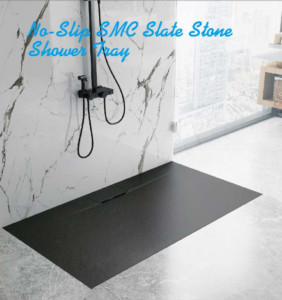
As someone who has spent years perfecting mold design, I know that choosing the right material is paramount. Jacky, I’ve seen how the right composite can transform a bathroom design from good to exceptional. It’s not just about what looks good today, but what performs flawlessly for decades. My journey at MoldAll has taught me that true value comes from understanding materials deeply. Traditional materials often carry hidden costs or future headaches for the homeowner. This is why I always steer designers towards innovative composite solutions. Let’s delve into what truly makes a composite shower pan superior and how it can elevate your next project.
What Exactly Makes a Composite Shower Pan Superior to Traditional Materials?
You’re tired of the limitations of old-school ceramic or tiled pans. But how do composite materials truly overcome these common challenges, offering a better solution for modern bathrooms?
Composite shower pans surpass traditional options by offering inherent non-porosity, consistent structural integrity, and reduced weight. This prevents leaks, eliminates grout maintenance, and simplifies installation, providing a more reliable and aesthetically pleasing foundation for any shower.
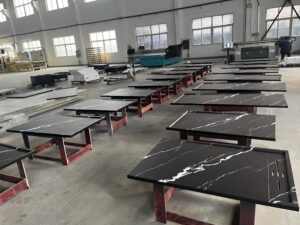
I remember early in my career, seeing countless beautiful tiled showers degrade quickly because of failing grout lines and hidden water damage. It was a common problem that always frustrated me. Composite shower pans completely changed the game. They offer several distinct advantages over their traditional counterparts. First, they eliminate the need for grout. Grout lines are notorious for collecting dirt, harbor mold, and eventually crack, leading to leaks and costly repairs. With a composite pan, you get a solid, seamless surface that doesn’t have these weak points. Second, composite materials are inherently non-porous. This means they do not absorb water, period. Natural stone and grout, no matter how well sealed, are porous and can eventually wick water, creating issues. A non-porous surface also resists staining from dyes, chemicals, or minerals in hard water, keeping the pan looking pristine with minimal effort. Third, composite pans are manufactured in a controlled factory environment to precise specifications. This ensures consistent quality, perfect slopes for drainage, and a product that is ready to install without the variability of on-site construction. This uniformity and reliability are critical for delivering a high-quality finished product that you can trust.
Traditional vs. Composite Shower Pan Features
|
Feature
|
Traditional Shower Pans (e.g., Tiled)
|
Composite Shower Pans (e.g., SMC, Solid Surface)
|
|---|---|---|
| Grout Lines |
Yes, extensive
|
No, seamless surface
|
| Porosity |
Porous (grout, tile backs)
|
Non-porous
|
| Water Absorption |
Can absorb water, leading to mold/leaks
|
Zero absorption, fully waterproof
|
| Installation |
Complex, multi-step, on-site variability
|
Pre-formed, simpler, faster, consistent
|
| Weight |
Heavy (especially with mortar bed)
|
Lighter than traditional, easier to handle
|
| Maintenance |
Sealing grout, scrubbing mold
|
Simple wipe-down, no sealing
|
Are All Composite Shower Pans Created Equal, and How Do Materials Compare?
You know composite is the way to go, but the market offers various “composite” options. How do you discern the truly best materials from those that might disappoint your clients?
Not all composite shower pans are equal. High-performance options typically use SMC (Sheet Molding Compound) or Solid Surface. These materials differ in their aesthetic capabilities, texture replication, and repair characteristics, catering to different design preferences and project requirements.
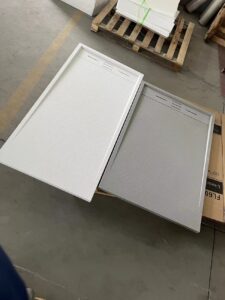
This is a critical question, Jacky, and one I get often. The term “composite” is broad, but when we talk about the best composite shower pans, we are generally referring to those made from advanced engineered materials like SMC (Sheet Molding Compound) or Solid Surface. Both are excellent, but they shine in different ways. SMC, for instance, is a fiberglass-reinforced thermoset composite. Its strength is in its ability to replicate extremely realistic textures, often mimicking natural stone or concrete with incredible detail. When I’ve worked on SMC projects, the level of texture we can achieve is simply astounding, making it feel very authentic underfoot. It is molded under high heat and pressure, resulting in a very dense, impact-resistant, and cost-effective product for mass production. It’s also through-colored, so minor surface wear is less noticeable.
Solid Surface, on the other hand, is a blend of acrylic or polyester resins, alumina trihydrate, and pigments. Its main advantage is its homogeneous, non-porous nature, which allows for virtually seamless joining. This means you can integrate a Solid Surface shower pan with Solid Surface wall panels, creating a truly monolithic shower enclosure with no visible seams, which is impossible with SMC. Solid Surface also offers a warm, inviting feel and is fully repairable; minor scratches can be sanded out, and even deep damage can be seamlessly patched. While SMC excels at textured realism, Solid Surface is the master of smooth, refined uniformity and seamless integration. Your choice between them will depend on the specific aesthetic and functional demands of your design.
SMC vs. Solid Surface Composite Pans
|
Feature
|
SMC Shower Pan
|
Solid Surface Shower Pan
|
|---|---|---|
| Composition |
Fiberglass-reinforced thermoset resin
|
Acrylic/polyester resin, mineral fillers
|
| Primary Aesthetic |
Realistic stone/concrete textures, tactile
|
Uniform, homogeneous, sleek (matte, satin, gloss)
|
| Seamless Joining |
Limited (installed as discrete unit)
|
Excellent, virtually invisible seams with walls
|
| Repairability |
Minor surface scratches; deep damage difficult
|
Excellent; can be sanded, polished, and patched
|
| Warmth to Touch |
Good
|
Excellent, very warm
|
| Cost Efficiency |
High volume, cost-effective for textured designs
|
Custom, high-end, often for integrated designs
|
How Does a High-Quality Composite Pan Enhance Durability and Ease of Maintenance?
Your clients demand durability and effortless upkeep, but some materials fade, stain, or chip over time. How does the right composite shower pan guarantee lasting beauty and minimal maintenance?
The best composite shower pans are inherently durable and low-maintenance due to their through-body, non-porous composition. This resists chipping, staining, and impact, while eliminating the need for sealing or extensive cleaning, keeping them looking new for years.
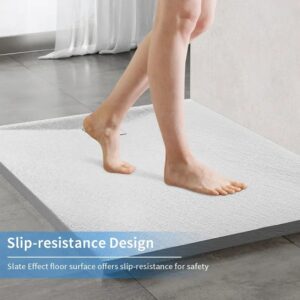
When I discuss long-term performance with designers, I always emphasize that durability isn’t just about resisting impacts; it’s also about maintaining aesthetic integrity with minimal effort. This is where high-quality composite pans truly shine. Because these materials are non-porous, they do not require any sealing, ever. Think about the ongoing cost and hassle of resealing natural stone or grout every year – composite completely eliminates that. This non-porous surface also means that common bathroom culprits like hair dye, lotions, or cleaning products will not stain the material. Any residue simply sits on the surface and can be wiped away with basic cleaning agents, making it incredibly hygienic and easy to maintain.
Beyond cleaning, the inherent strength of materials like SMC and Solid Surface means they are highly resistant to chipping and cracking from dropped items, a common concern in busy bathrooms. The color is mixed throughout the material, so it won’t fade or wear off over time, ensuring that the pan looks as good years down the line as it did on day one. For instance, with Solid Surface, even if a deep scratch occurs, it can often be sanded out or professionally repaired to an invisible finish. This level of restorability is a testament to the material’s longevity. These combined attributes mean that a high-quality composite shower pan provides a “set it and forget it” solution for your clients, delivering lasting beauty and performance without demanding precious time or money for upkeep.
Conclusion
The best composite shower pan choice hinges on your specific project needs. While all offer superior performance to traditional options, materials like SMC and Solid Surface stand out, providing unparalleled durability, aesthetic versatility, and minimal maintenance for a truly exceptional bathroom experience.