

Which Low Profile Shower Pan is Best Choice for Bathroom Design?
You’re looking for a sleek, minimalist bathroom design where every element flows together. But bulky, traditional shower pans can ruin that vision, creating an awkward visual break and even a tripping hazard.
The best low-profile shower pans are crafted from advanced engineered materials like SMC (Sheet Molding Compound) or Solid Surface. These materials enable ultra-thin, pre-formed designs that offer superior durability, complete non-porosity, and a perfectly integrated, modern aesthetic without the bulk of traditional options.
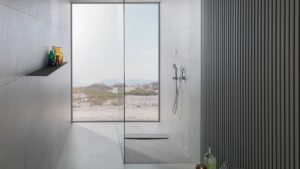
I’ve worked with countless designers and homeowners over the years, and one consistent desire is for a shower space that feels open, clean, and modern. Old-fashioned, chunky shower bases always broke that illusion. Seeing this problem, I knew there had to be a better way, a way that combines the beauty of form with the practicality of function. My experience in the mold industry has shown me how engineered materials can solve these design dilemmas. Let’s look at why focusing on low-profile solutions is critical for today’s bathroom.
What Makes Traditional Shower Pans a Design Compromise?
You’re trying to create a smooth, continuous bathroom floor, but those old-style, raised shower curbs always get in the way. This interrupts your clean lines and creates an obstacle where there should be none.
Traditional, high-curb shower pans create visual interruptions and physical barriers. They often require extensive tiling and grout, which leads to maintenance headaches and detracts from a spacious, modern bathroom aesthetic.
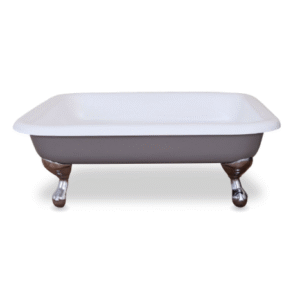
In my early days in the mold factory, I saw how these heavy, ceramic pans were made. They were functional, yes, but never elegant. The design was dictated by manufacturing limitations, not by the user’s desire for a beautiful, open space. They needed a lot of mortar, had thick edges, and then you had to tile up to them, creating even more lines and seams. This always felt like a series of compromises. The vision for a truly seamless bathroom was impossible to achieve with those materials. Traditional shower pans, whether pre-fabricated or custom-tiled, often sit several inches above the finished floor level. This creates a distinct visual “box” within your bathroom, shrinking the perceived space. It also introduces numerous grout lines at the floor level and where the pan meets the wall tiles. These lines are notorious for collecting grime, mold, and mildew, turning a beautiful design into a maintenance nightmare very quickly. Moreover, that raised lip is a significant tripping hazard, especially for families with young children or elderly individuals. It’s a design element that actively works against the modern aesthetic of openness, ease, and safety. This is why I became so passionate about engineered solutions – they break free from these old limitations and offer a superior path forward.
Traditional vs. Low Profile Shower Pans
|
Feature
|
Traditional Shower Pan (Tiled/High Curb)
|
Low Profile Shower Pan (Engineered)
|
|---|---|---|
| Visual Impact |
Creates a distinct, raised “box”
|
Seamless, integrated, expands perceived space
|
| Physical Barrier |
High curb, tripping hazard
|
Minimal or no curb, easy entry
|
| Maintenance |
Extensive grout lines, prone to mold/mildew
|
Few to no grout lines, non-porous, easy clean
|
| Installation Complexity |
Multi-step, tiling, waterproofing membrane
|
Pre-formed unit, simpler, faster install
|
| Aesthetic |
Can look dated, segmented
|
Modern, sleek, minimalist
|
How Do Engineered Materials Achieve Such a Slim Profile and Durability?
You want a shower pan that is incredibly thin, almost flush with the floor, but still strong enough to last for decades. This seems like a contradiction, but it doesn’t have to be.
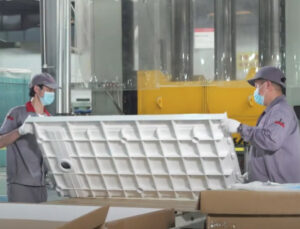
Engineered materials like SMC (Sheet Molding Compound) and Solid Surface achieve both slim profiles and exceptional durability because of their advanced composite structure. They are pre-formed under high pressure, making them inherently strong, lightweight, and completely non-porous.
Material Characteristics for Low Profile Pans
|
Characteristic
|
Engineered Materials (SMC/Solid Surface)
|
Traditional Materials (Tile/Concrete)
|
|---|---|---|
| Profile Achieved |
Ultra-thin (1-2 inches), easily flush with floor
|
Often thicker (3-6 inches), requires raised curb or extensive recess
|
| Durability |
High impact resistance, consistent strength due to composite nature
|
Can be brittle (tile), prone to cracking (grout/concrete)
|
| Weight |
Relatively lightweight for easy handling/installation
|
Very heavy, requires significant structural support
|
| Porosity |
Completely non-porous, no water absorption
|
Porous (grout, unsealed concrete), requires constant sealing
|
| Manufacturing |
Precision molded/cast, consistent quality
|
On-site construction, variable quality, labor-intensive
|
Can a Low Profile Shower Pan Truly Improve Bathroom Accessibility and Safety?
Your clients want a beautiful bathroom, but also one that is safe and accessible for everyone, now and in the future. High shower curbs often make this difficult or even dangerous.
Yes, a low-profile shower pan significantly enhances bathroom accessibility and safety by allowing for curbless entry. This eliminates trip hazards, makes it easier for people with mobility challenges, and creates a seamless, open space that promotes independence.
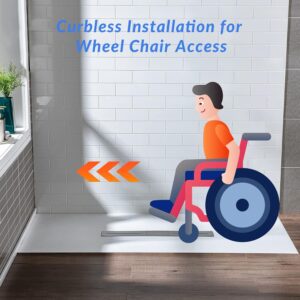
I’ve personally seen the challenges older family members face with high shower curbs. What seems like a small step becomes a huge barrier. With low-profile pans, especially those designed for curbless installation, we remove that barrier entirely. This isn’t just about ‘aging in place’; it’s about universal design. Anyone, from a child to an elderly person, can enter and exit the shower with ease and confidence. A true low-profile pan can be installed flush with the bathroom floor, creating a completely level entry. This is not only essential for wheelchair users or those with mobility aids, but it also minimizes any potential trip hazards for able-bodied individuals. Furthermore, the inherent non-porosity of materials like SMC and Solid Surface means they don’t harbor mold or mildew, making the shower a more hygienic and safer environment. We can also integrate subtle, yet effective, anti-slip textures directly into the mold of our SMC bases, or carefully texture Solid Surface, often exceeding industry safety standards. This means safety is built-in from the manufacturing stage, not an afterthought that detracts from the aesthetic or requires additional, less effective treatments. The peace of mind this provides for clients is invaluable.
Accessibility Features of Low Profile Pans
|
Feature
|
Benefit
|
Impact on User (Jacky’s Client)
|
|---|---|---|
| Curbless Entry |
Eliminates all trip hazards, level transition
|
Easy access for all ages, mobility levels, wheelchairs, walkers
|
| Integrated Slope |
Ensures proper drainage without visible drain lines
|
No standing water, reduced slip risk, clean aesthetic
|
| Anti-Slip Surface |
Textured directly into the material for permanent grip
|
Enhanced safety, confidence when entering/exiting shower
|
| Expanded Space |
Visual continuity makes bathroom feel larger and more open
|
Reduces claustrophobia, more comfortable experience
|
| Reduced Grout |
Fewer seams where mold and grime can accumulate
|
Improved hygiene, easier cleaning, healthier environment
|
Conclusion
Low-profile shower pans, particularly those made from engineered materials like SMC or Solid Surface, are the definitive choice for modern bathrooms. They offer unparalleled sleekness, superior durability, easy maintenance, and critical accessibility, proving that true luxury lies in both beauty and intelligent design.