

Which Shower Base Option Is Right for Your Project?
You’re overwhelmed by choices for a shower base. Acrylic feels cheap, a tiled floor is a maintenance nightmare, and cast iron is an ancient relic. You need a modern solution that delivers on looks, durability, and ease of installation.
The best shower base option for modern, professional projects is Sheet Molding Compound (SMC). It provides the seamless, high-end look of a custom-tiled floor without the risk of leaks and maintenance, offering superior durability and design flexibility over traditional acrylic or cast iron.
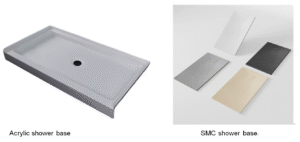
As someone who has manufactured and worked with all these materials, I’ve seen the good, the bad, and the ugly. I’ve seen how a cheap acrylic base can ruin an otherwise beautiful bathroom design. I’ve heard the horror stories from contractors about failed waterproofing under a tiled floor. For a designer like you, Jacky, choosing the right material isn’t just about aesthetics; it’s about the long-term success of your project and your professional reputation. Let’s walk through the main options so you can make the most informed decision.
Is Acrylic the Smart Choice for a Quick Install?
You’re on a tight schedule and budget, and an acrylic shower base seems like a fast and easy solution. But you worry its flimsy feel and glossy finish will look cheap and won’t last.
While fast to install, acrylic is a budget material. Its lack of rigidity, high susceptibility to scratches, and glossy plastic finish make it unsuitable for projects where quality, durability, and a premium feel are the main goals.
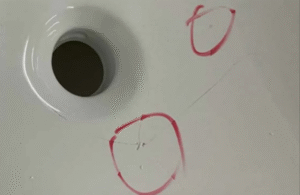
Acrylic bases get their reputation for a reason. They are made by heating a thin sheet of plastic and vacuum-forming it over a mold. The result is a hollow, lightweight shell that often needs a mortar bed just to feel somewhat stable. It has that distinctive flex and “oil canning” effect underfoot that screams low quality. The high-gloss surface scratches easily from dropped razors or abrasive cleaners, and over time, it can yellow with exposure to UV light and chemicals. I see them as a temporary fix, not a permanent, high-quality feature. If your name is on the design, you want a material that feels solid and holds its appearance for years, not months.
Material Quality at a Glance
|
Feature
|
Acrylic / Fiberglass
|
The Professional Standard (SMC)
|
|---|---|---|
| Core Structure |
Hollow, thin shell. Requires support.
|
Solid, dense composite material.
|
| Feel Underfoot |
Flexible, can creak or “oil can.”
|
Rock-solid, like stone.
|
| Scratch Resistance |
Low. Scratches easily, showing a different color.
|
High. Color is solid throughout the material.
|
| Long-Term Look |
Prone to yellowing and losing its gloss.
|
Color-stable and maintains its intended finish.
|
Is a Tiled Shower Floor Worth the Hassle?
You want a completely custom, floor-to-ceiling look, so you specify a tiled shower floor. But you are secretly dreading the complex installation, the risk of leaks, and the inevitable chore of cleaning dirty grout lines.
A tiled floor offers design freedom but at a very high price. The complex, multi-day installation process introduces significant risk of water damage from membrane failure or cracking grout, creating a long-term maintenance problem for the client.
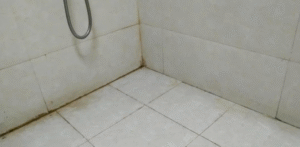
From a manufacturing perspective, a tiled shower is the opposite of an engineered solution. It’s a handmade system with dozens of potential points of failure. The most critical part, the waterproof membrane, is hidden under layers of mortar and tile. If it’s punctured during installation—even with a single misplaced screw—you won’t know until water is staining the ceiling below. And the grout itself is the biggest issue. It’s porous cement. It absorbs water, stains easily, and provides a perfect home for mold and mildew. It requires constant sealing and scrubbing. In my business, we believe in creating single, non-porous components that eliminate these risks entirely. A tiled floor is an assembly of hundreds of tiny, porous pieces held together by more porous material. It’s a beautiful but flawed concept from a pre-industrial age.
Why is SMC the Best of All Shower Base Options?
You want the solid feel of stone, the custom look of tile, and the easy installation of a one-piece unit. You’re looking for a single solution that ticks every box without any of the usual compromises.
SMC is the superior choice because it’s an engineered composite that does it all. It is solid, non-porous, and can be molded into any size, color, or texture, providing a custom look with guaranteed performance and fast installation.
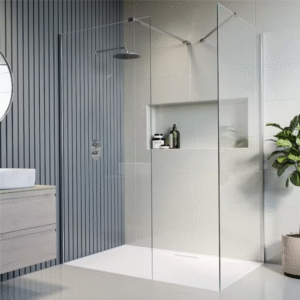
This is the material that solves the problems of all the others. SMC (Sheet Molding Compound) is a high-density composite forged under immense heat and pressure in a steel mold. This process creates a shower base that is rock-solid, like cast iron, but warm to the touch. Because it’s molded, we can create perfect, built-in anti-slip textures, like natural slate, and a drain slope that is 100% accurate every time. The color is mixed throughout the material, so it can’t chip or scratch off. Most importantly for you, Jacky, it offers total design freedom. Need a custom size to fit an odd space wall-to-wall? We can CNC cut it. Need a specific RAL color to match a vanity? We can do that. It combines the benefits of all other options into one technologically advanced package.
Final Showdown: Shower Base Options
|
Criteria
|
Acrylic / Fiberglass
|
Tiled Floor
|
SMC (Best Choice) |
|---|---|---|---|
| Design Flexibility |
Poor (Standard sizes)
|
Excellent (Custom)
|
Excellent (Custom) |
| Installation Speed |
Fast
|
Very Slow (Multi-day)
|
Fast |
| Waterproof Integrity |
Good
|
Poor (Grout risk)
|
Excellent (Non-porous) |
| Maintenance |
Fair (Scratches)
|
Poor (Grout cleaning)
|
Excellent |
| Durability & Feel |
Poor (Flimsy)
|
Good (If done right)
|
Excellent (Solid) |
Conclusion
Don’t compromise your design with outdated options. For a truly professional result, an SMC shower base offers the best combination of custom aesthetics, rock-solid durability, and simple, foolproof installation.